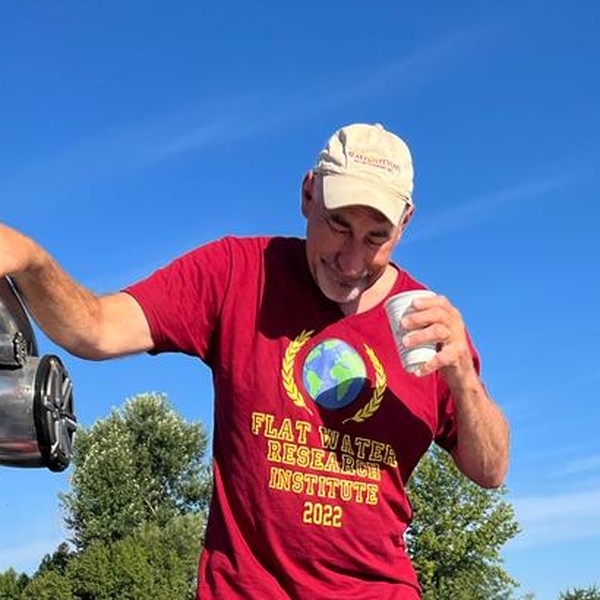
The search continues.....
Flatwater Research Institute tracks the conditions that make a lake good for skiing, and shares what we learn with the people who ski it.
Three questions we keep coming back to (every morning, before coffee)
Good skiing starts with good water. Our researchers apply rigorous observational methods, mainly standing on the dock and pointing, to identify the conditions that turn a lake from choppy and crowded into calm, clear and skiable. Findings are delivered to skiers before they leave the dock, or shouted at them afterward.
-
How flat is the water?
Surface disturbance (known in the literature as “chop”) increases throughout the day as a function of wind speed, boat traffic, and the number of people who said they'd be up at 6 a.m. but weren't. Hourly observations consistently show peak flatness just after sunrise, a finding we've replicated every summer and that everyone who sleeps in continues to ignore.
-
How warm is the water?
Water temperature governs several key variables, including wetsuit selection, time spent on the dock deciding, and the volume of the noise a researcher makes when falling in. We measure temperature by season and by depth, depth being however far the researcher was willing to go.
-
Are there other boats out?
Boat density is inversely correlated with ski quality and directly correlated with people waving at you for no reason. We track traffic by time of day and season so skiers can find open water, and so we can finally identify who keeps making wake at 7 a.m.
Where the work happens
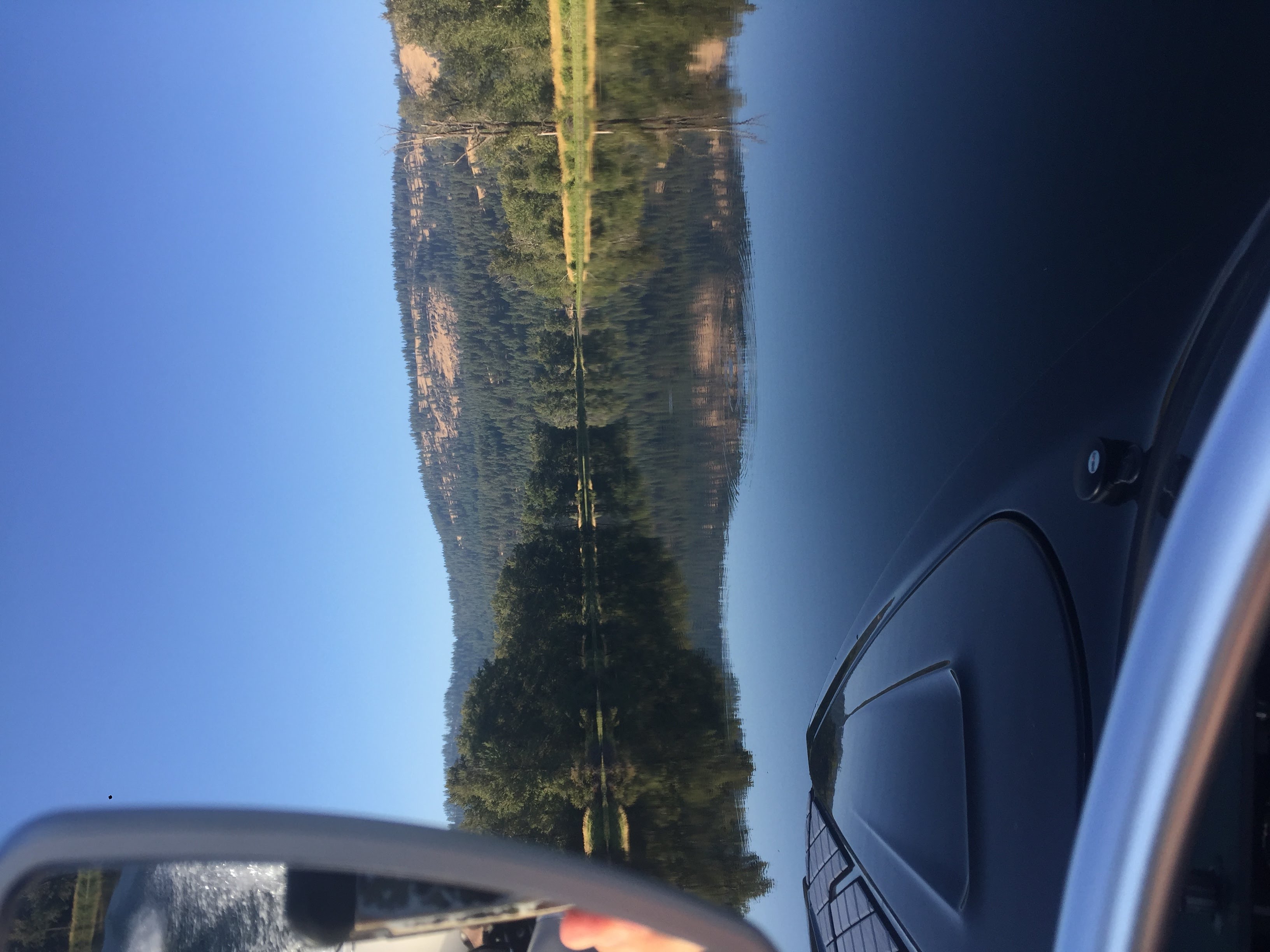
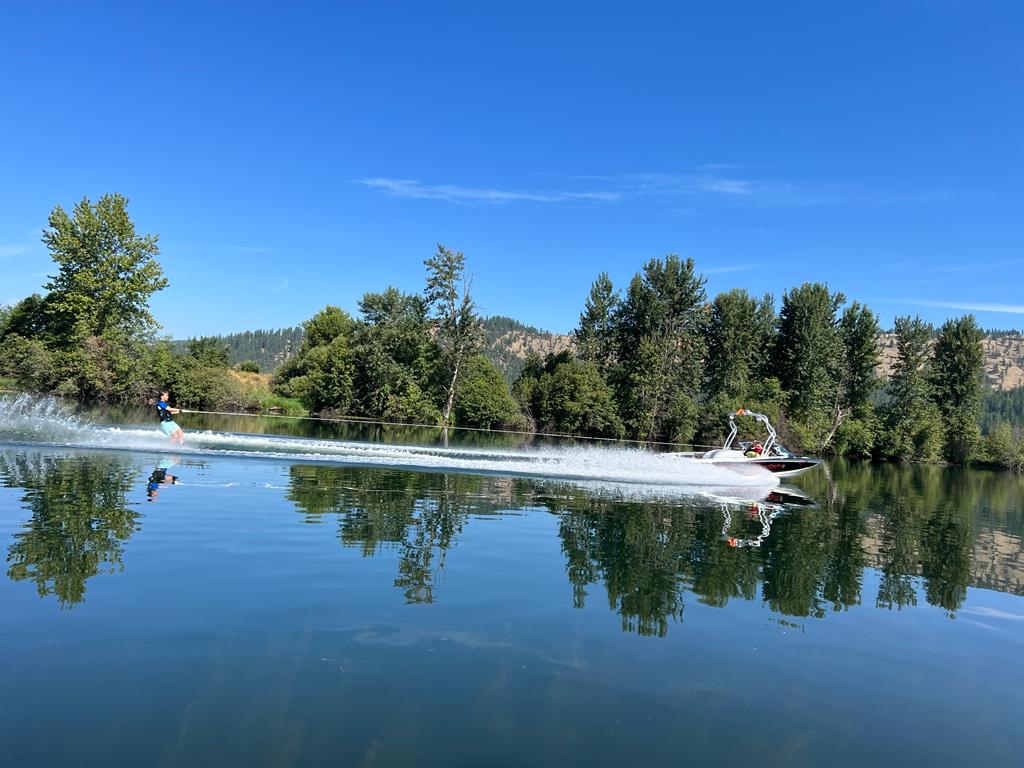
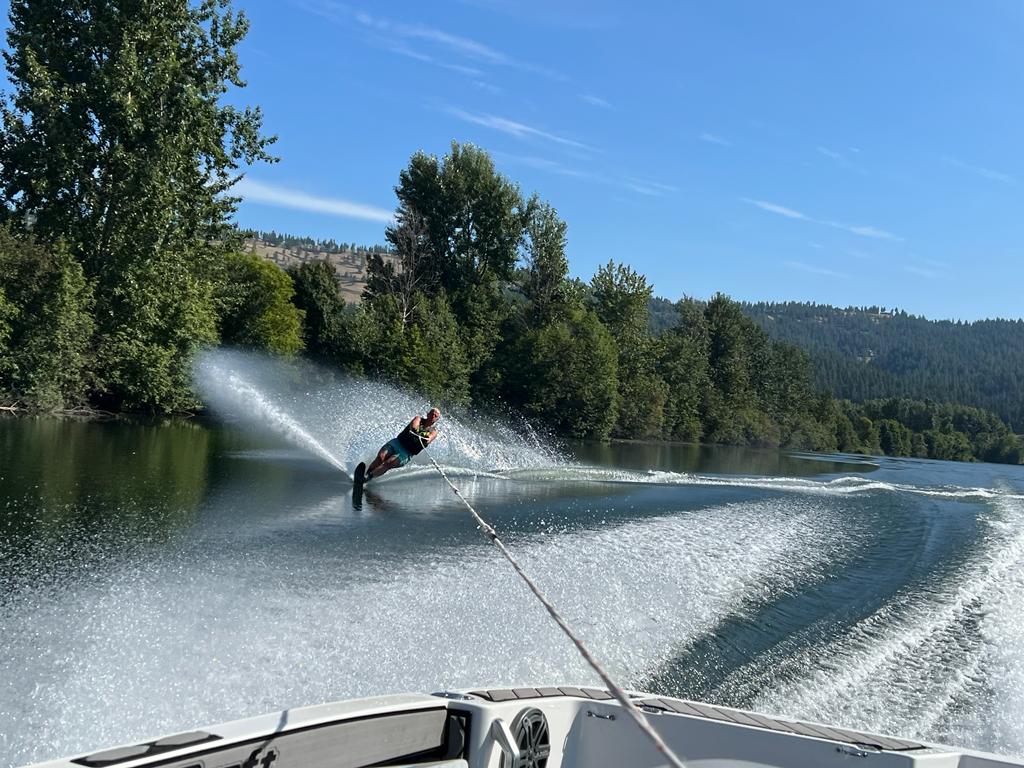
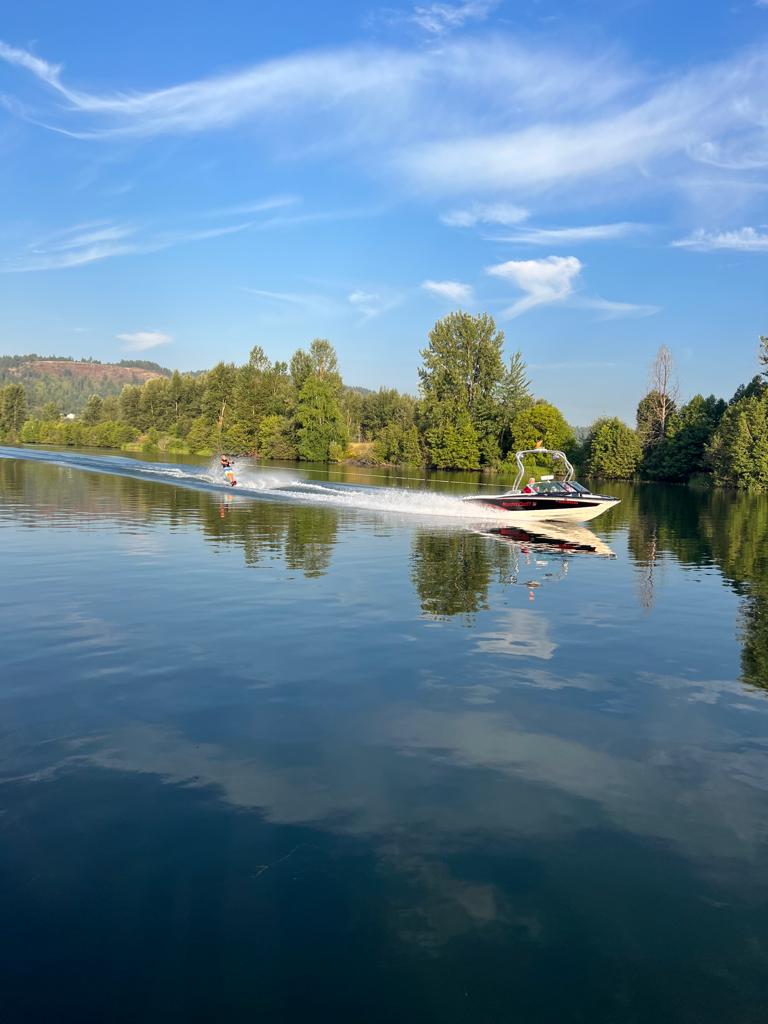
Some of our findings
Most of our data starts as a person, a boat or a buoy on the water — here's some of what that looks like.
(very scientific analysis)
Two of our researchers diligently studying.
One of our researchers’ twin sister.
Very dark work.
Very serious work being done.
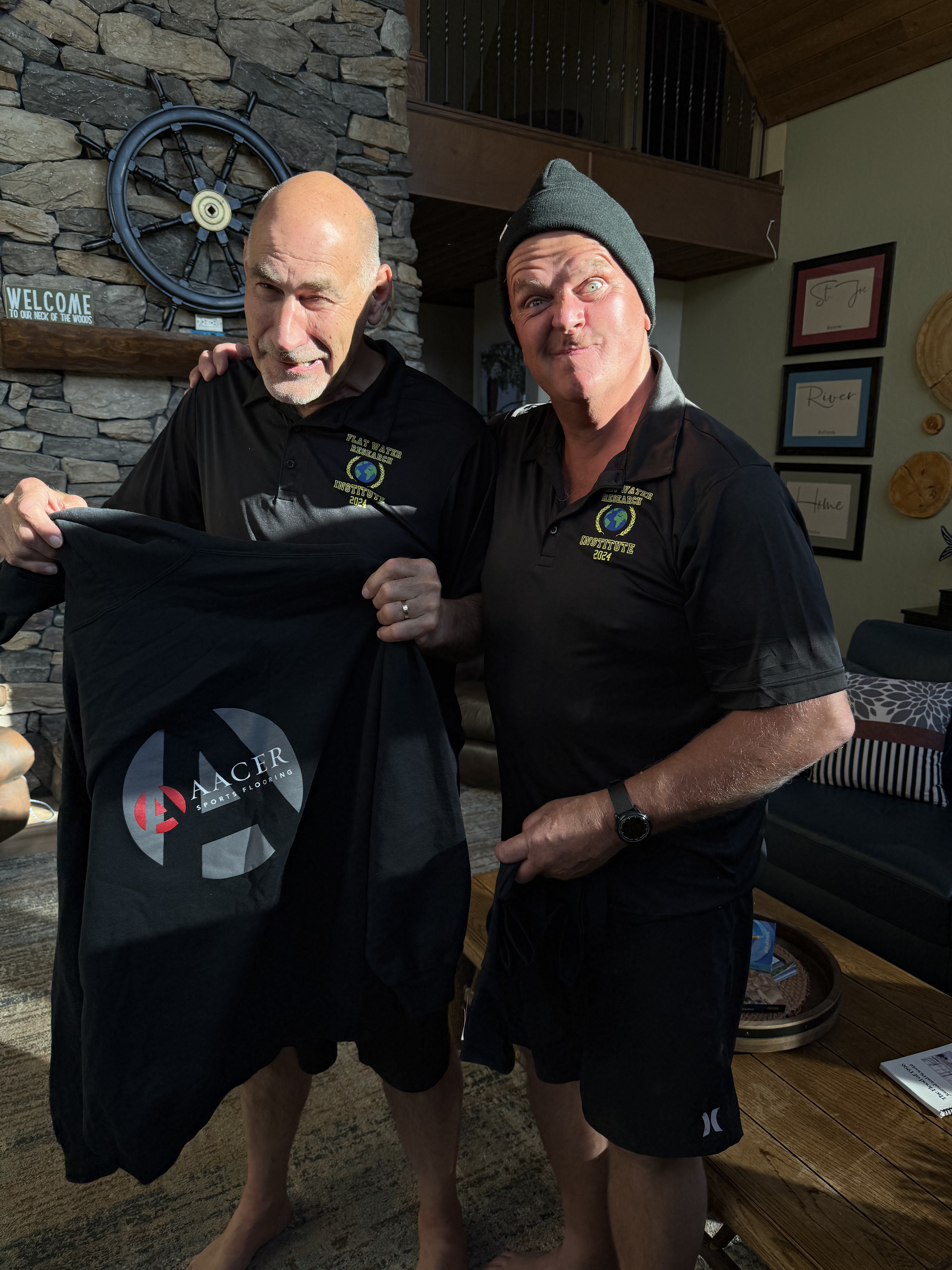
We work with the special needs.
Camper photos
How we work
We analyze daily conditions. (very exhaustive work)
Buoys in the water and people on the shore record conditions over full seasons, not just a handful of mornings.
- (rigorously peer-reviewed by whoever's on the dock)
- (double-blind study: nobody knows what they're doing, twice)
- (margin of error: entirely dependent on wind)
- (statistically significant, allegedly)
- (control group: the guy who refuses to check the forecast)
- (published in the Journal of Just Trust Us)
We do our best to keep the public informed.
Conditions data and methods are shared openly so skiers, clubs and marinas can check it and put it to use.
- (results may vary, especially near the dock)
- (our sample size is "everyone we could flag down")
- (data integrity: best effort, boat-side)
- (transparency policy: we tell you everything, eventually)
- (methodology available upon request, or upon asking Tom)
We work with the people on the water. (very important)
Our questions come from skiers, boat clubs, marinas and lake associations who are out there watching conditions every day.
- (a rigorously unscientific advisory board)
- (our control group has strong opinions and boats)
- (field researchers: everyone available)
- (primary data source: yelling across the lake)
- (institutional review board: whoever's driving)
What people say about our work
No comments published yet.
Have something to say about our work? Send us a comment.
Work with us
Questions, comments and ideas for working together are all welcome. We collaborate with ski clubs, marinas, lake associations and universities, and we welcome researchers studying water sports and lake conditions.